Joan Comadran

Light and Mystery

A three-act AI-generated film on the life of Antoni Gaudí. Premieres in cinemas, 2026.

Format

4K

Year

2026

Role

Director

Field notes

I — III

Discovery

What we found before writing a line of code — three observations that defined what this project would, and wouldn’t, become.

01

What it is

Overview

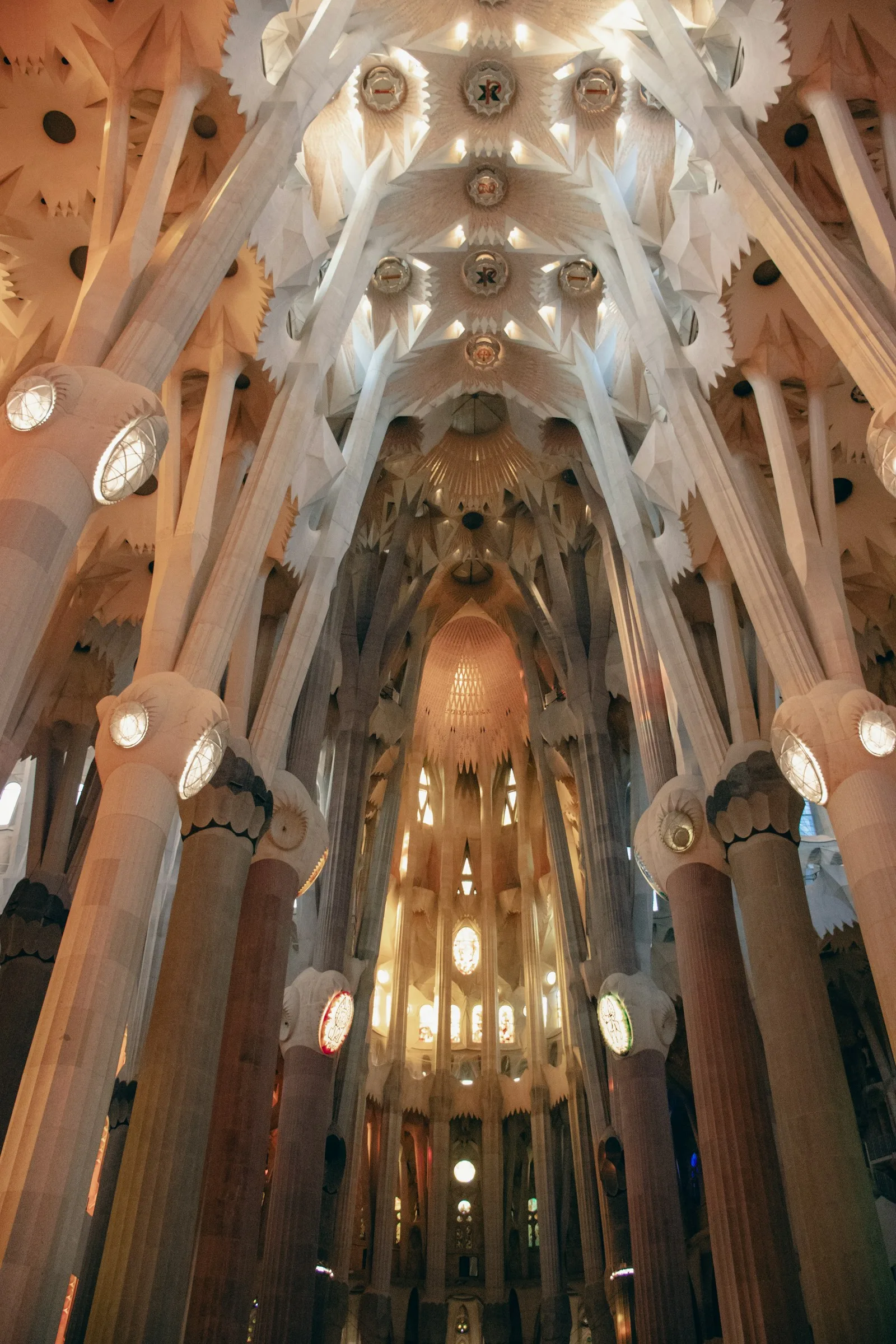
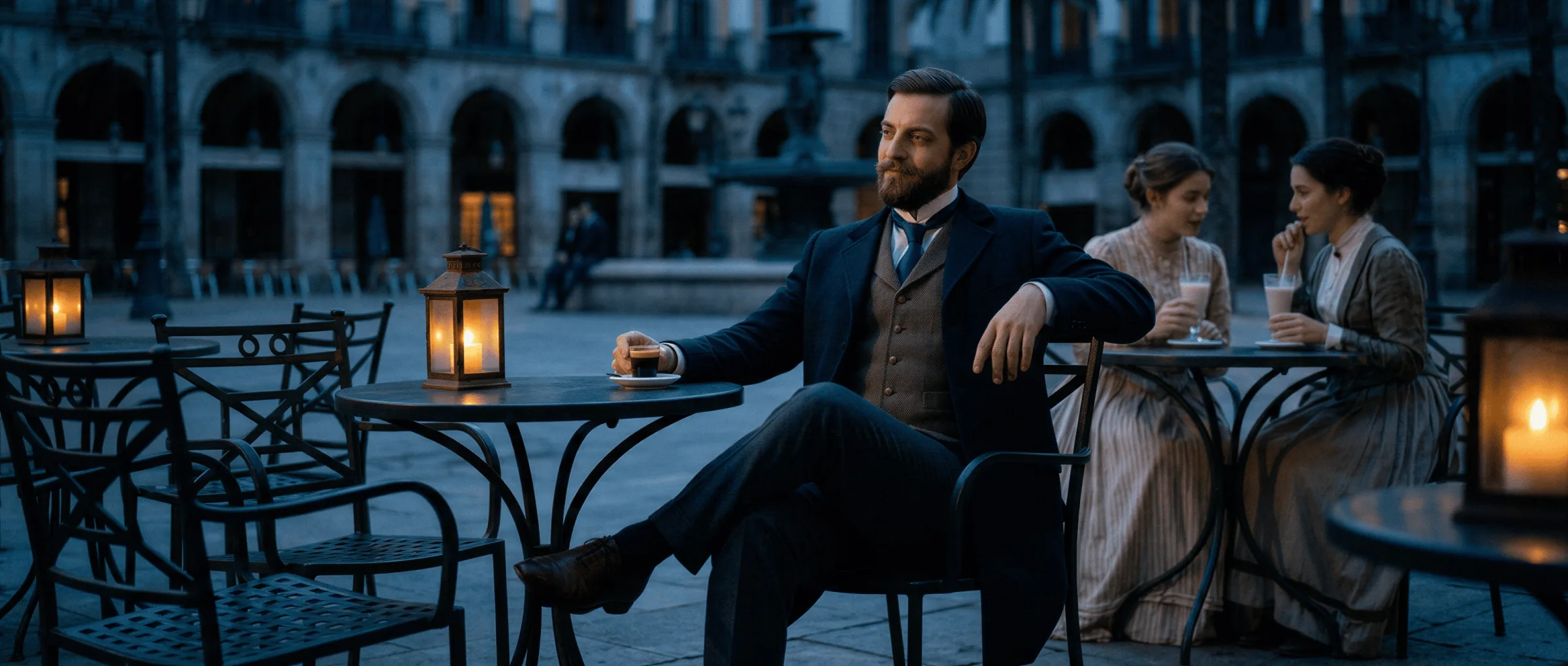
An AI-generated film on the life of Antoni Gaudí: light, geometry, faith, and the obsession that built the Sagrada Família.

Told in three acts, with end-to-end ownership of story, look development, generative pipeline, and post-production. Premieres in cinemas in 2026.
02

Why it matters

Challenge

The hardest problem in AI cinema isn't generating a frame, it's generating one nobody can tell was generated.

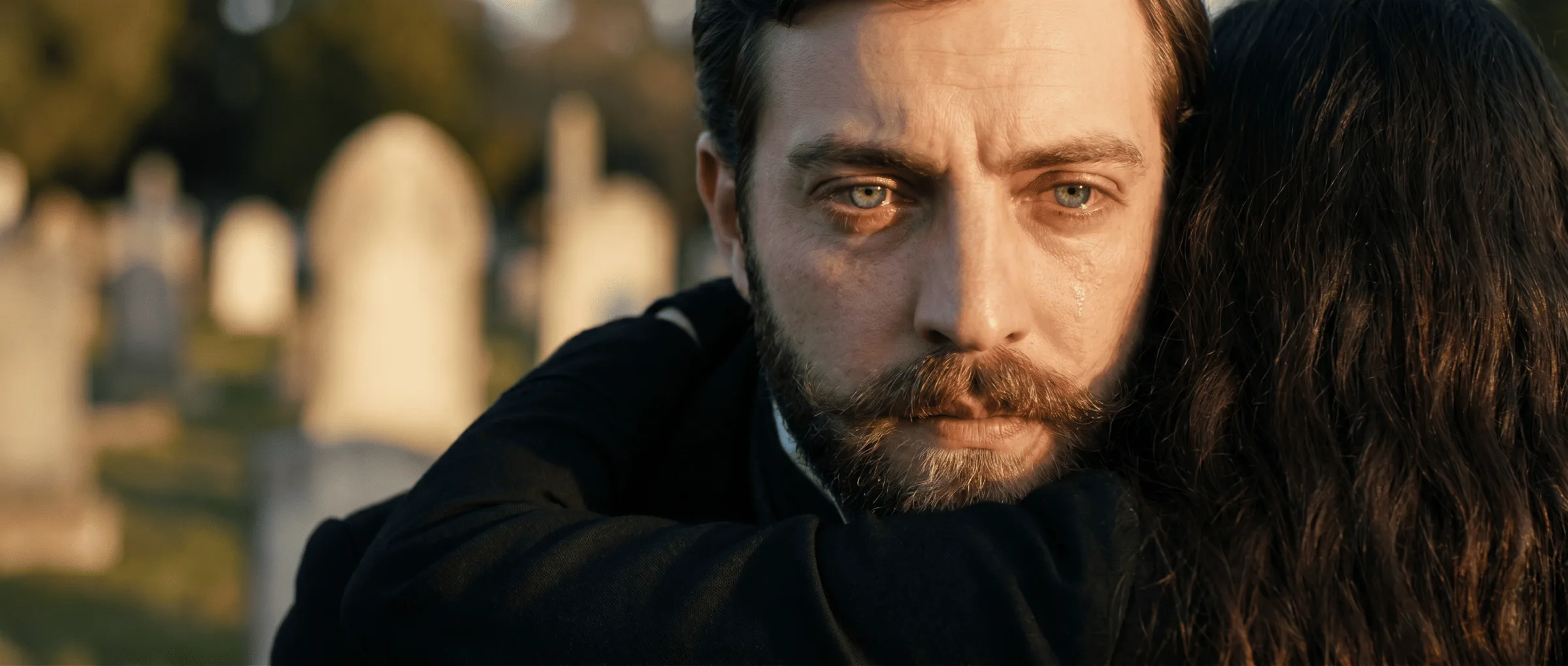
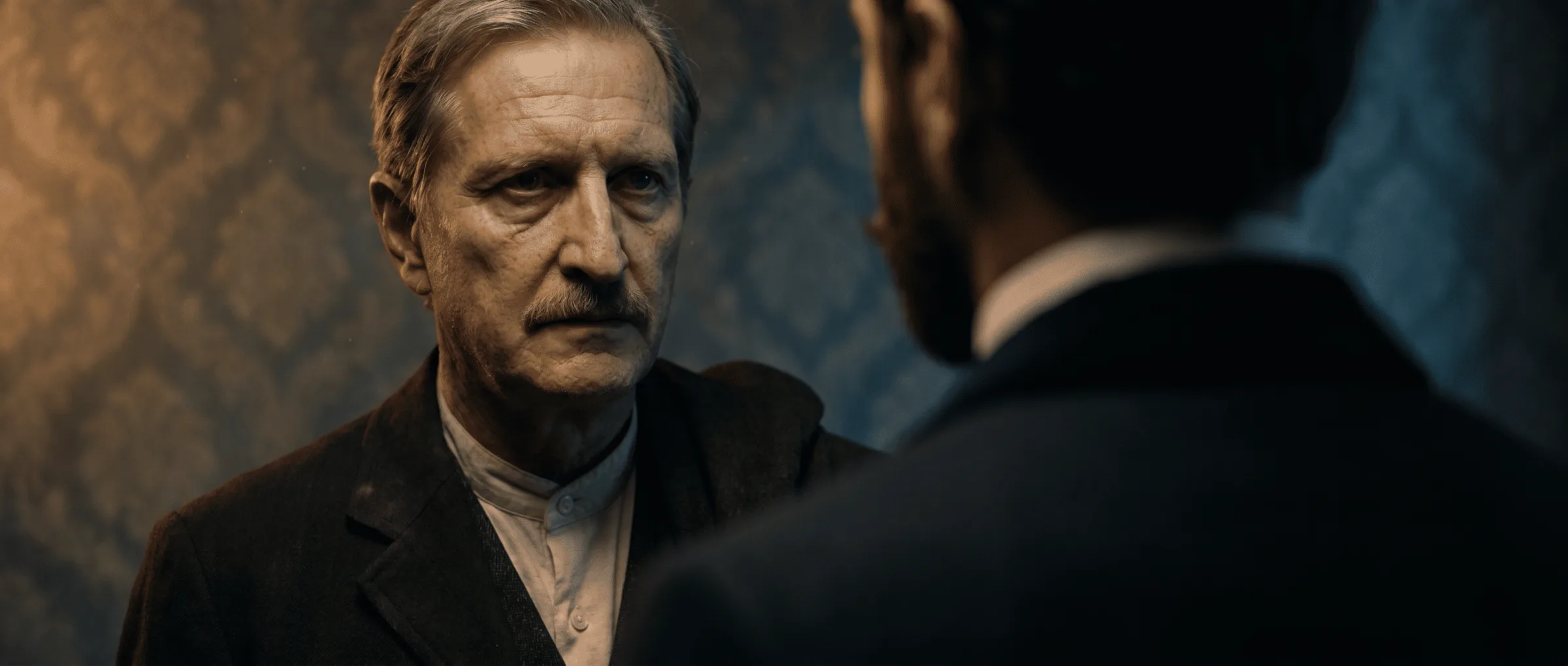
The tells are almost always faces: expressions no real actor would hold, a dead stare, micro-movements that land as uncanny. A Gaudí biopic raises the bar again, since every shot also has to pass as period-accurate Barcelona rather than a diffusion model's guess at it.

03

What we built

Solution

A meticulous, shot-by-shot pipeline built for control instead of volume.

Script and concept-art bible first, then Nano Banana Pro for reference frames, Kling 3.0 and Seedance 2.0 for motion, every shot pushed to the highest resolution the tools output and cut the moment a performance stops looking human. AI does the work of a camera and a render farm; the directing stays human.

Concept

Story before pixels

Most AI cinema fails not on fidelity but on coherence. Decided early: no frame would be generated until the script worked on paper. Wrote and rewrote a story that could survive without any AI flourishes; visual interest had to come from the writing and from Gaudí's own visual language, not the tool. Once the script held up at a table read, look development could begin without the project drifting into demo territory.

Structure

Three acts, one obsession

The film is built in three acts, following Gaudí from the ambition of his early commissions to the near-monastic focus of the Sagrada Família years. Fixing the three-act structure before any generation started meant each act could carry its own palette and light, and the look could evolve on purpose instead of drifting shot to shot the way unguided generation tends to.

Pipeline

Built shot by shot, at full resolution

Every shot runs the same deliberate chain: Nano Banana Pro composes the reference frame and holds character and set consistency, then Kling 3.0 and Seedance 2.0 carry it into motion, always at the highest resolution the tools will output. Nothing is generated in bulk and cherry-picked afterwards; each shot is directed, graded, and only kept once it earns its place in the cut. It's slower than prompt-and-pray, which is the point.

Performance

Faces a human could have made

The line between AI cinema and an AI tech demo gets drawn on the actors' faces. Any shot with an expression a real performer couldn't plausibly hold, an off smile, a dead stare, a micro-movement that reads as uncanny, is thrown out no matter how good the rest of the frame is. The bar for a take isn't 'impressive for AI', it's that a stranger in the seats would never think to ask how it was made.